
From May 14 to 16 in Ha Noi, the Viet Nam – EU Sustainable Energy Transition Facility (EVSET), in cooperation with the Ministry of Industry and Trade (MOIT), conducted a training course on “Impacts of electric vehicle usage and implications on power system planning and operations”. The event is a part of the European Union’s technical assistance to Viet Nam’s power sector under the EU – Viet Nam Sustainable Energy Transition Programme (SETP).

As Viet Nam strives to meet its net-zero target by 2050, in line with its commitment at COP26, transport electrification has been identified as a priority to reduce greenhouse gas emissions from road transport – one of the country’s key emission sources.
Currently, Viet Nam has over 3 million two-wheeled EVs and 100,000 four-wheeled electric vehicales (EVs), alongside more than 150,000 public charging connectors—equivalent to 15 connectors per 10,000 people. However, the growing adoption of EVs poses significant challenges to the power sector. These include rising electricity demand, increased pressure on generation capacity and transmission networks, and heightened technical risks for both transmission and distribution infrastructure. Additionally, the country faces a lack of harmonized policies, regulations, and technical standards governing EV batteries and charging infrastructure.
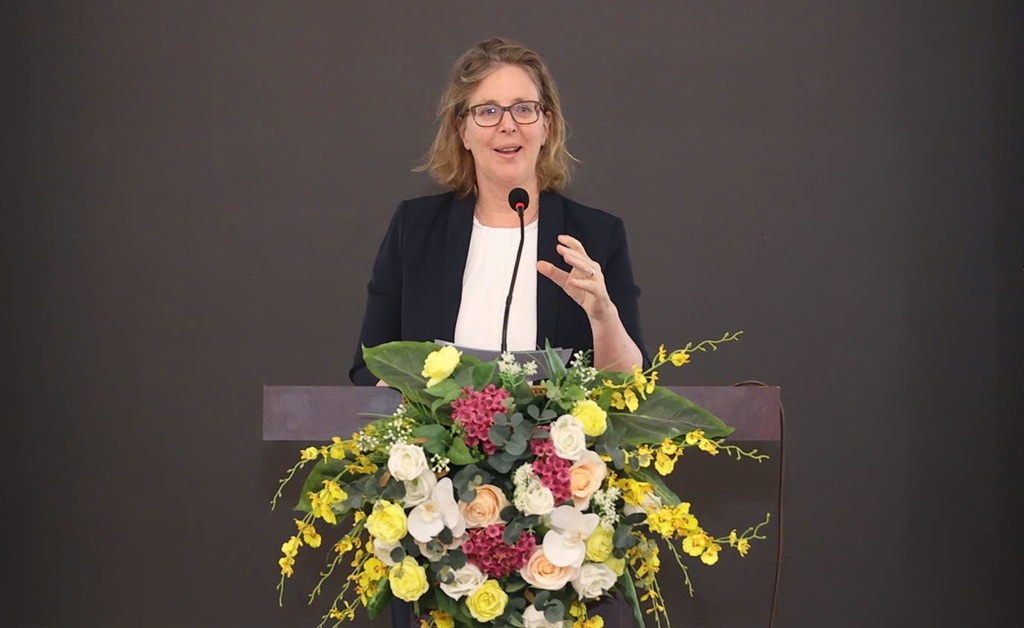
“The shift to electric vehicles – underpinned by clean energy and intelligent infrastructure – is not merely a technological evolution, but a strategic necessity to reduce emissions, foster innovation, and enhance energy resilience. Through the SETP, the EU is committed to supporting Viet Nam in building the technical capacity and policy readiness needed to accelerate EV adoption and advance the green energy transition – ensuring that it goes hand-in-hand with a cleaner, more resilient power system,” said Ms. Kristina Bünde, Head of Cooperation and Development at the European Union Delegation to Viet Nam.
Mr. Trinh Quoc Vu, Deputy Director General of the Electricity Regulatory Authority of Viet Nam under MOIT, emphasized the importance and benefits of transitioning to EVs in line with the greening of power sources. However, he noted that such a transition requires careful planning and strategic investments in the power system to ensure its sustainable and effective deployment. He also highlighted the role of smart technology solutions, the development of a robust policy framework, and strengthened multilateral cooperation in addressing these challenges and transforming EVs into a driving force for a cleaner and more efficient energy future.
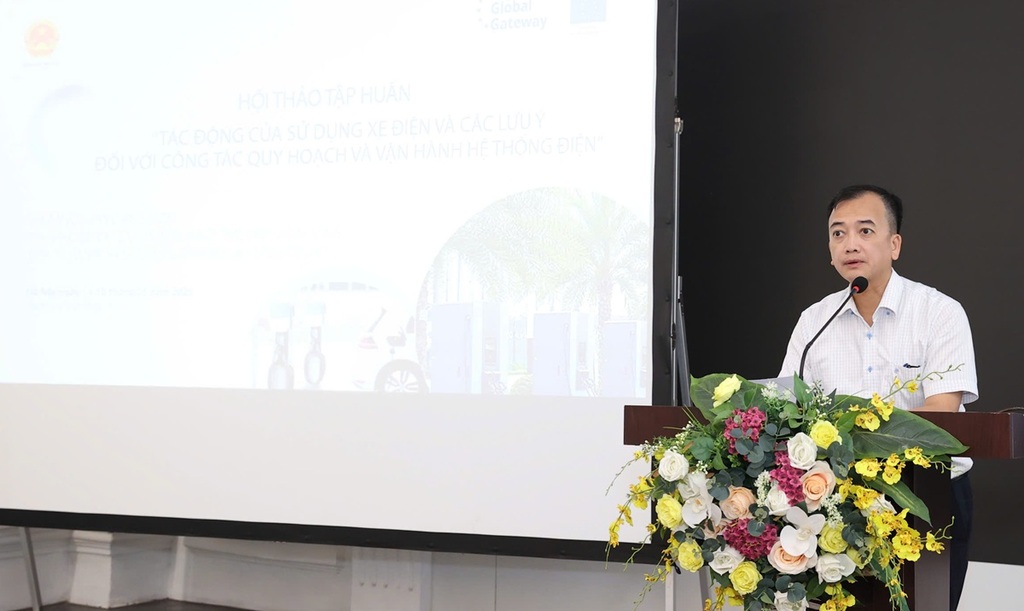
The training brought together more than 50 participants from 20 institutions, including government agencies, power system management bodies, Viet Nam Electricity (EVN), regional power corporations, energy research institutes, and private sector companies. The participants engaged in in-depth discussions on transport electrification in Viet Nam and received insights and updated knowledge on global trends, the impacts and benefits of EV integration on power systems, international technical standards, and best practices for managing EV integration into the grid.
As part of the programme, participants also visited the VinFast electric vehicle manufacturing facility in the Dinh Vu economic zone in Hai Phong.
Views: 79
